Crowdlending Models Explained
Detailed documentation of collective financing structures, campaign organization, and risk factors in Argentine agricultural crowdlending.
Core Structures
How Agricultural Crowdlending Works
Crowdlending for agriculture involves multiple participants providing capital for specific farming campaigns. Unlike traditional loans from single institutional lenders, collective financing distributes capital provision across many contributors.
Campaign Organization
Agricultural crowdlending operates through campaigns aligned with production cycles. A grain planting campaign might run from pre-planting through harvest. A livestock operation campaign follows breeding and growth cycles. Each campaign has defined timelines, capital targets, and production objectives that match agricultural realities.
Participation Mechanisms
Participants contribute capital to specific campaigns rather than making general deposits. Contribution amounts vary based on campaign structure and participant capacity. Multiple participants collectively provide the total capital needed for each agricultural project, distributing both financing provision and associated risks.
Producer Connection
Crowdlending creates direct relationships between capital providers and agricultural producers. Producers present specific projects—a soybean planting campaign, a cattle breeding operation, a regional fruit harvest. Participants review project details and choose campaigns matching their interests and risk tolerance.
Timeline Structures
Campaign timelines follow agricultural production schedules. Planting campaigns align with growing seasons. Livestock campaigns match breeding and maturation periods. Timeline documentation helps participants understand when capital is deployed, how long production takes, and when returns might occur based on harvest or sale schedules.
Sector Applications
Grain Production Crowdlending
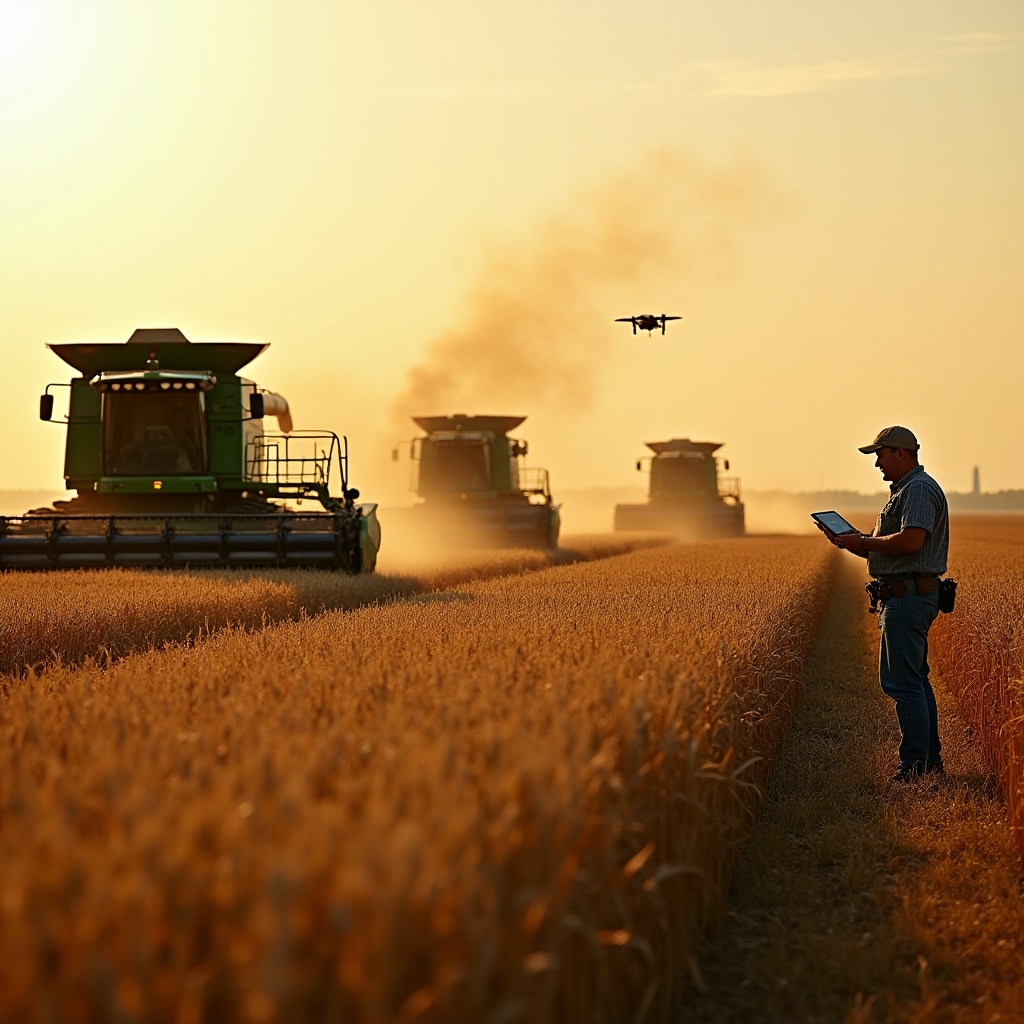
Grain production represents a significant portion of Argentine agricultural crowdlending. Campaigns finance planting operations for soybeans, wheat, corn, and other crops across Pampa regions and beyond.
Grain campaigns typically cover input costs—seeds, fertilizers, agrochemicals—and operational expenses through the growing season. Campaign timelines extend from pre-planting preparation through harvest, with returns dependent on crop yields and market prices at harvest time.
Climate factors significantly affect grain campaigns. Drought during critical growth periods reduces yields. Excess rainfall at harvest can damage crops. Frost, hail, and pest pressures create additional uncertainties that participants should understand before contributing to grain production campaigns.
Livestock Financing
Cattle and Sheep Operations
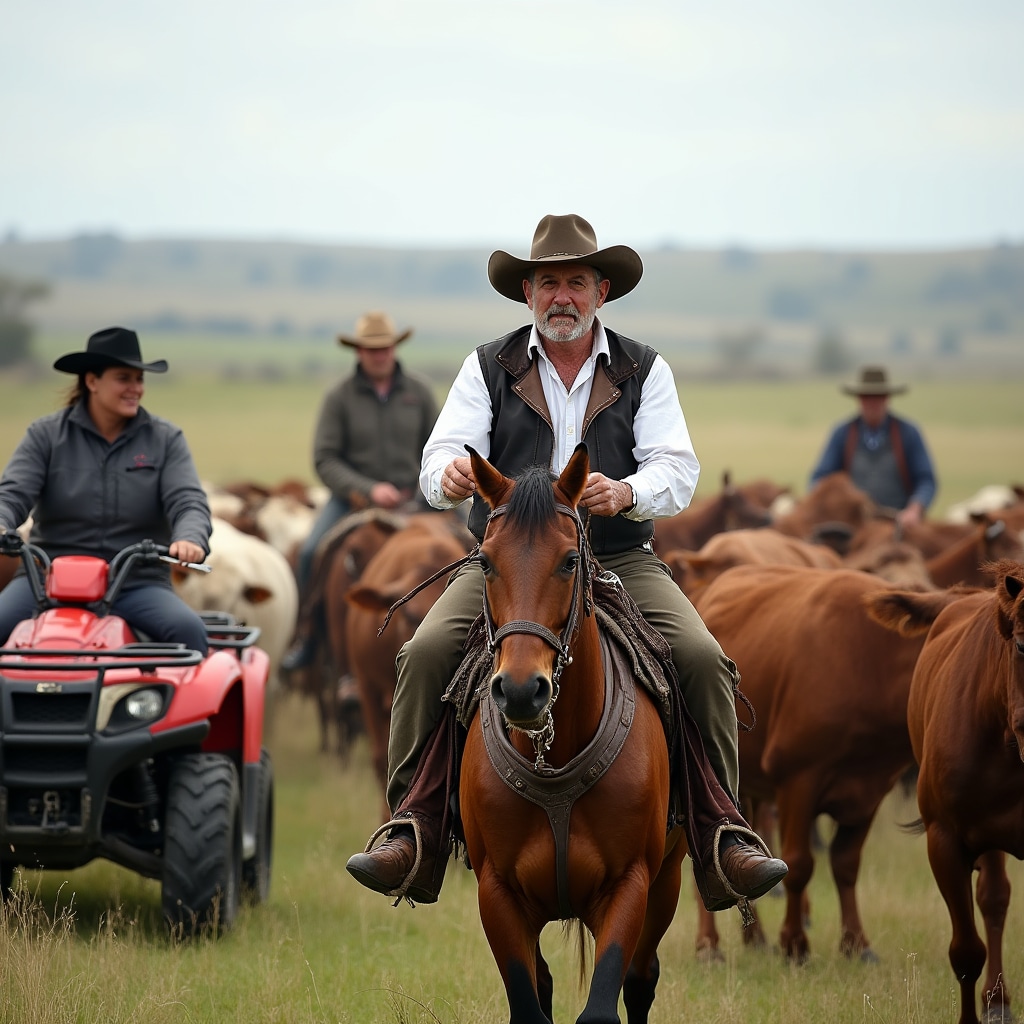
Livestock crowdlending campaigns finance cattle breeding, fattening operations, and sheep production across Argentine ranching regions. These campaigns have longer timelines than crop production, reflecting the extended periods required for animal growth and maturation.
Cattle fattening campaigns might run twelve to eighteen months, financing feed, veterinary care, and operational costs until animals reach market weight. Breeding operations extend even longer, covering multiple production cycles.
Livestock campaigns face distinct risks including disease outbreaks, feed cost fluctuations, and market price volatility for finished animals. Weather affects pasture quality and feed availability, indirectly impacting livestock operations through changing production costs.
Risk Documentation
Understanding Agricultural Risks
Agricultural crowdlending carries inherent uncertainties that differ from traditional financial products. Comprehensive risk documentation helps participants understand what factors can affect campaign outcomes.
Climate Uncertainties
Weather significantly impacts agricultural production. Drought reduces crop yields and affects pasture quality. Excessive rainfall delays planting or damages mature crops. Frost, hail, and extreme temperatures can destroy harvests. These climate factors create outcome variability that participants must acknowledge.
Productive Challenges
Pest infestations, plant diseases, and livestock health issues affect production outcomes. Weed pressure increases input costs. Insect damage reduces yields. Disease outbreaks in livestock operations can significantly impact campaign results, creating losses beyond participant control.
Market Price Volatility
Agricultural commodity prices fluctuate based on global supply, demand, currency exchange rates, and policy changes. Prices at harvest might differ significantly from projections made at planting. This volatility affects campaign returns regardless of production success.
Operational Risks
Equipment failures, labor shortages, and logistical challenges can disrupt agricultural operations. Machinery breakdowns during critical periods affect planting or harvest timing. Transportation issues impact market access. These operational factors add uncertainty to campaign outcomes.
Regulatory Changes
Agricultural policy, export regulations, and tax structures can change during campaign periods. New restrictions on agrochemicals affect input costs. Export duty modifications alter price structures. These regulatory shifts create additional uncertainty for participants.
Capital Loss Potential
Agricultural crowdlending carries the possibility of partial or total capital loss. Severe climate events, catastrophic production failures, or extreme market conditions can result in campaigns that cannot return participant capital. This risk differs fundamentally from insured bank deposits.
Key Distinctions
How Crowdlending Differs from Traditional Credit
Traditional Bank Lending
- Single institutional lender provides full capital
- Collateral requirements and creditworthiness evaluation
- Fixed repayment schedules regardless of harvest timing
- Interest rates set by lending institution
- Bank assumes credit risk in exchange for interest
Crowdlending Model
- Multiple participants collectively provide capital
- Campaign-specific participation without traditional collateral
- Returns tied to production outcomes and harvest timing
- Return structures vary by campaign and production type
- Participants directly assume production and market risks
Regional Variations
Crowdlending Across Argentine Agriculture
Argentine agriculture spans diverse regions with distinct production characteristics. Crowdlending models adapt to these regional realities, creating variation in how campaigns are structured and what risks predominate.
Pampa Grain Belt
The Pampa region dominates Argentine grain production. Crowdlending campaigns here typically finance large-scale soybean, wheat, and corn operations. Campaign sizes tend larger, production is more mechanized, and market integration is stronger. Climate risks center on drought and excess rainfall during critical growth periods.
Patagonian Livestock
Patagonian sheep and cattle operations face different conditions. Campaigns finance extensive grazing operations across large territories. Longer production cycles, lower stocking densities, and harsher climate conditions characterize these campaigns. Wind, cold, and limited forage availability create region-specific risks.
Regional Specialty Production
Specialty crops in regions like Cuyo, Northwest, and Northeast create distinct crowdlending opportunities. Wine grape production, citrus cultivation, yerba mate, and other regional specialties each have unique production requirements, market structures, and risk profiles that shape how campaigns are organized and documented.
Need More Information?
Contact our documentation team for additional details about agricultural crowdlending models, campaign structures, or risk factors.